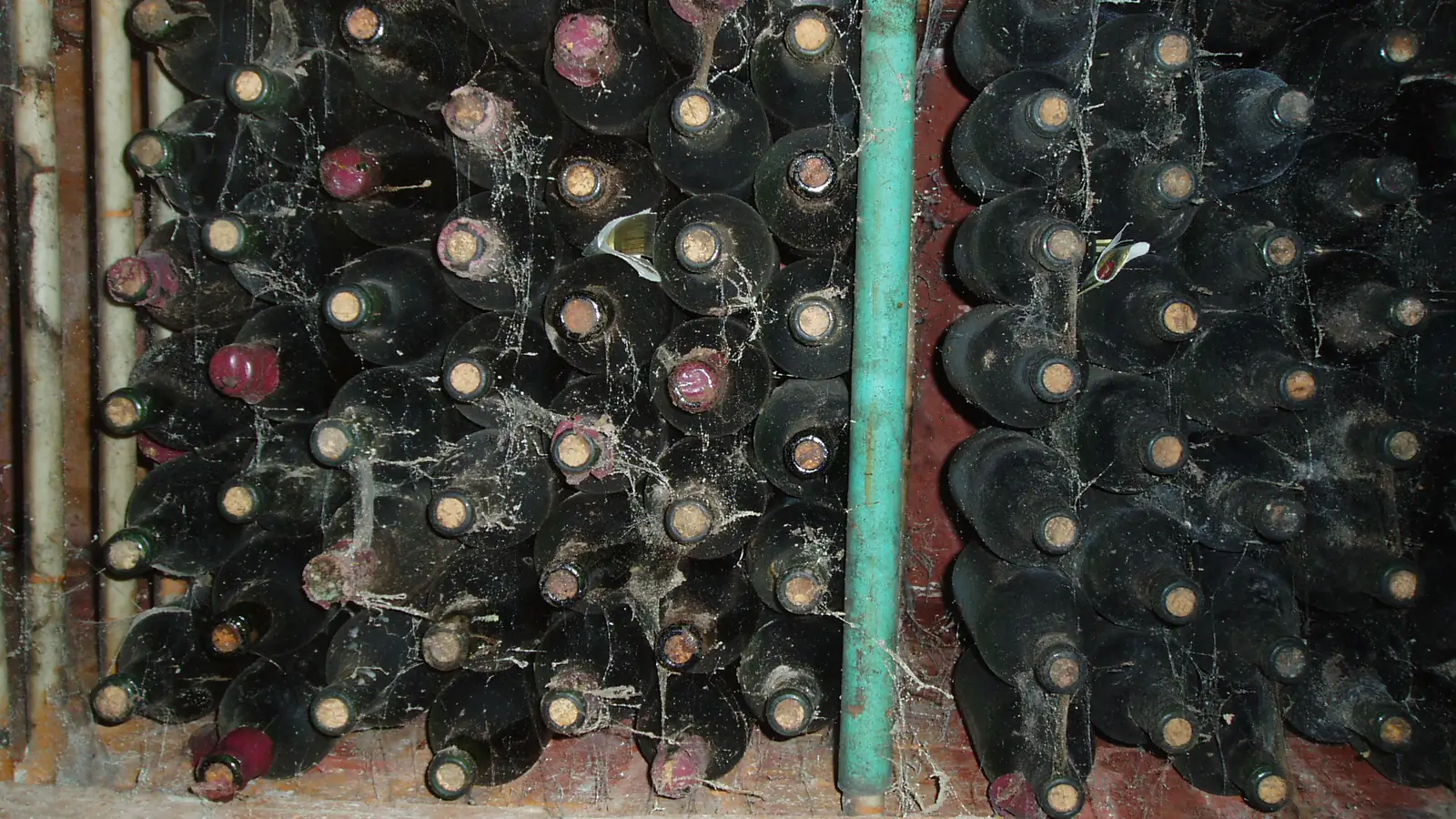
How to store wine comes down to three rules: cool, dark and steady. Swiss Wine Valais, the Valais wine trade body, aims for 11 to 12 °C, with up to 15 °C acceptable. Once opened, re-cork the bottle and put it in the fridge: a white keeps three to five days, a red three to six.
You do not need a vaulted cellar: a cool cupboard, a corner of a basement or a wine fridge will do, as long as you avoid heat and temperature swings.
Where should you keep wine bottles?
Temperature matters most. Wine ages through chemical reactions that run faster in the warmth. Swiss Wine Valais puts the ideal at 11 or 12 °C, tolerable up to 15 °C.
At 20 °C, the temperature of a flat, wine matures quickly and ends up less complex; warmer still, it risks turning bitter and flat, with cooked-fruit aromas. Slightly too cold does less harm than slightly too warm. Frequent swings do the most damage.
Next comes humidity: 60 to 70%, according to the same source. It stops natural corks drying out and letting air in. Screw caps and glass stoppers are not affected.
Finally, darkness and calm. Fluorescent light and sunlight damage wine, sometimes within days, especially in clear bottles. Avoid vibrations, such as a busy road, and strong smells of paint or cleaning products. The kitchen is the worst place: it gets too warm quickly.
Natural cellar or wine fridge?
An underground cellar naturally keeps wine between 10 and 15 °C, with humidity close to 75%, explains Swiss Wine Valais. The lower the temperature, the slower the wine evolves. The only drawback: too much humidity damages labels.
A wine fridge keeps a stable temperature, often between 10 and 18 °C. It suits small collections and wines to drink over the next few years; in a very dry home, a humidifier protects the corks. It can also serve as an everyday cellar next to a cellar for long keeping.
How long can you keep an unopened wine?
It depends on the wine: some are at their best as soon as they are released, others are still far from their peak, notes Swiss Wine Valais. The wine body names wine's natural preservatives: alcohol, acidity and residual sugar if there is any. The tannins in red wines, from the skins and seeds, also protect against oxidation.
There are surprises. Chasselas, low in acidity and rarely above 12.5% alcohol, can improve for 20 to 30 years, according to the same source. Conversely, two vintages of the same wine can age very differently.
The closure matters too. Under cork, each bottle evolves in its own way; under a screw cap, ageing is more consistent from bottle to bottle. Natural wines, made with little sulphur, need stricter conditions: cool and steady. When in doubt, ask the winery how long a bottle will keep.
How long does an opened bottle last?
Once opened, wine meets oxygen, which gradually wears down its aromas, fruit and freshness. Swiss Wine Valais gives these times, re-corked and in the fridge: three to five days for a white or rosé, three to six days for a red, one to three days for a sparkling wine, even with a special stopper.
Three habits help. Re-cork the bottle right after pouring. Put it in the fridge, even a red: cold slows the reactions that spoil it; take it out a little before the next glass. Keep it upright, so less wine is exposed to air. A vacuum pump or inert gas system can stretch this to one or two weeks, depending on the method.
A wine that is slightly past its best is not wasted: use it for a marinade, a sauce or a reduction for a slow-cooked dish.
Can wine go bad?
Yes. Oxidised wine smells of bruised apple, then vinegar. Wine stored too warm takes on cooked, bitter or burnt fruit aromas. Other faults, such as a smell of rotten eggs, come from winemaking, notes Swiss Wine Valais.
Small clear crystals on the cork or at the bottom of the bottle, however, are not a fault. They are tartrate, a natural salt from the grape that forms more often in wines from cool climates, according to the same source. They are harmless; just pour gently.
Wines to keep on Helvitic
Sales are not open on Helvitic yet: payment is still being tested. Each wine page shows its style; if in doubt about keeping time, ask the winery. Until ordering opens, you can follow wineries to hear about new wines.
There’s no rush
Most wines are best enjoyed young, on their fruit: they don’t need to wait. Full-bodied and sweet styles can keep for several years. The chart gives the window for each style.
Crisp & lightDrink within 1 to 3 years
Round & fruityDrink within 2 to 4 years
Supple & fruityDrink within 1 to 3 years
Powerful & structuredCan age 5 to 15 years
→
Fresh & festiveDrink within 1 to 2 years
Sweet & indulgentLong ageing: 10 years and beyond
→
0 yrs2 yrs4 yrs6 yrs8 yrs10 yrs
Style by style
Crisp & lightDry white
Chasselas / Fendant · Petite Arvine · Johannisberg
Unopened bottle
Drink within 1 to 3 years
Once opened
3-5 days in the fridge, recorked
No need to wait: it's made to be drunk young, on its freshness.
Round & fruityFull white
Chardonnay · Pinot Gris · Heida / Païen · Amigne
Unopened bottle
Drink within 2 to 4 years
Once opened
3-5 days in the fridge, recorked
Best within 2-3 years; some even improve with a little patience.
Supple & fruityLight red
Gamay · Pinot Noir · Dôle · Gamaret jeune
Unopened bottle
Drink within 1 to 3 years
Once opened
3-6 days, corked, kept cool
Enjoy it on its fruit, within 1 to 3 years. No point hiding it in the cellar.
Ideal: 11 to 12 °C, up to 15 °C; above all avoid heat and swings.
Humidity of 60 to 70% for natural corks; dark and calm.
The kitchen is the worst place; a wine fridge suits small collections.
Some wines are ready on release, others gain from waiting; a Chasselas can keep 20 to 30 years.
Opened bottle, re-corked in the fridge: white 3 to 5 days, red 3 to 6, sparkling 1 to 3.
Crystals on the cork are tartrate and harmless.
Frequently asked questions
How long does an opened bottle of wine last?
Re-corked and in the fridge: three to five days for a white or rosé, three to six days for a red, one to three days for a sparkling wine, according to Swiss Wine Valais.
Should opened red wine go in the fridge?
Yes. Cold slows oxidation, whatever the wine. Just take the red out a little before the next glass so it comes back to temperature.
Can I store wine in the kitchen?
Best not: it gets warm quickly while cooking and the temperature swings a lot. A cool cupboard, a corner of a basement or a wine fridge is better.
What are the crystals on the cork?
Tartrate, a natural salt from the grape's acid. It is not a fault and is harmless, according to Swiss Wine Valais.