
This wine guide answers the three questions people ask in front of a bottle: what temperature to serve it at, how long to keep it, and what the labels on it mean. Every tip comes from a Swiss source, such as the regional wine trade bodies or FiBL, the Research Institute of Organic Agriculture.
Swiss wine guide
Serving, storing, understanding labels: three short guides to enjoy Swiss wine
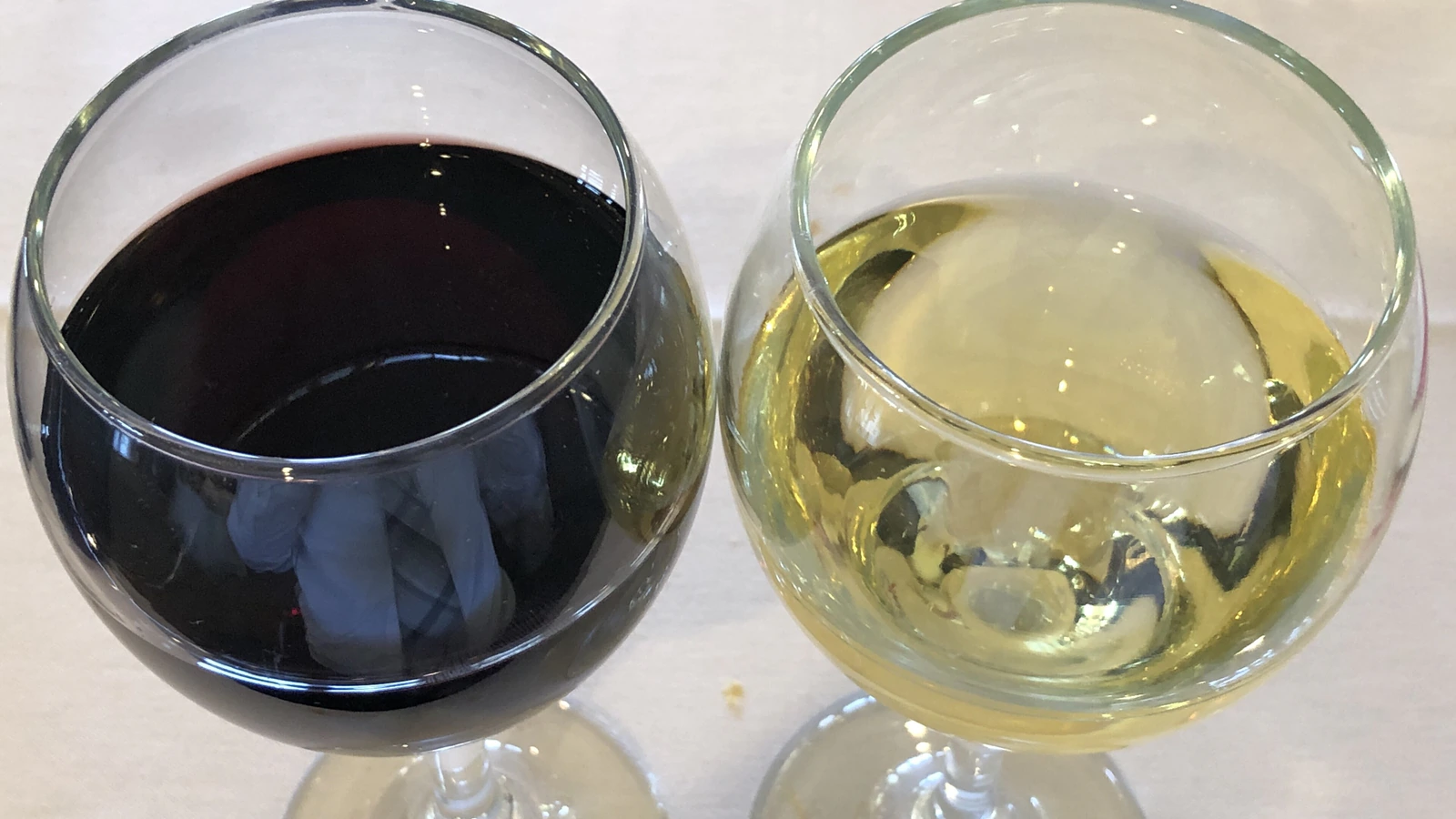
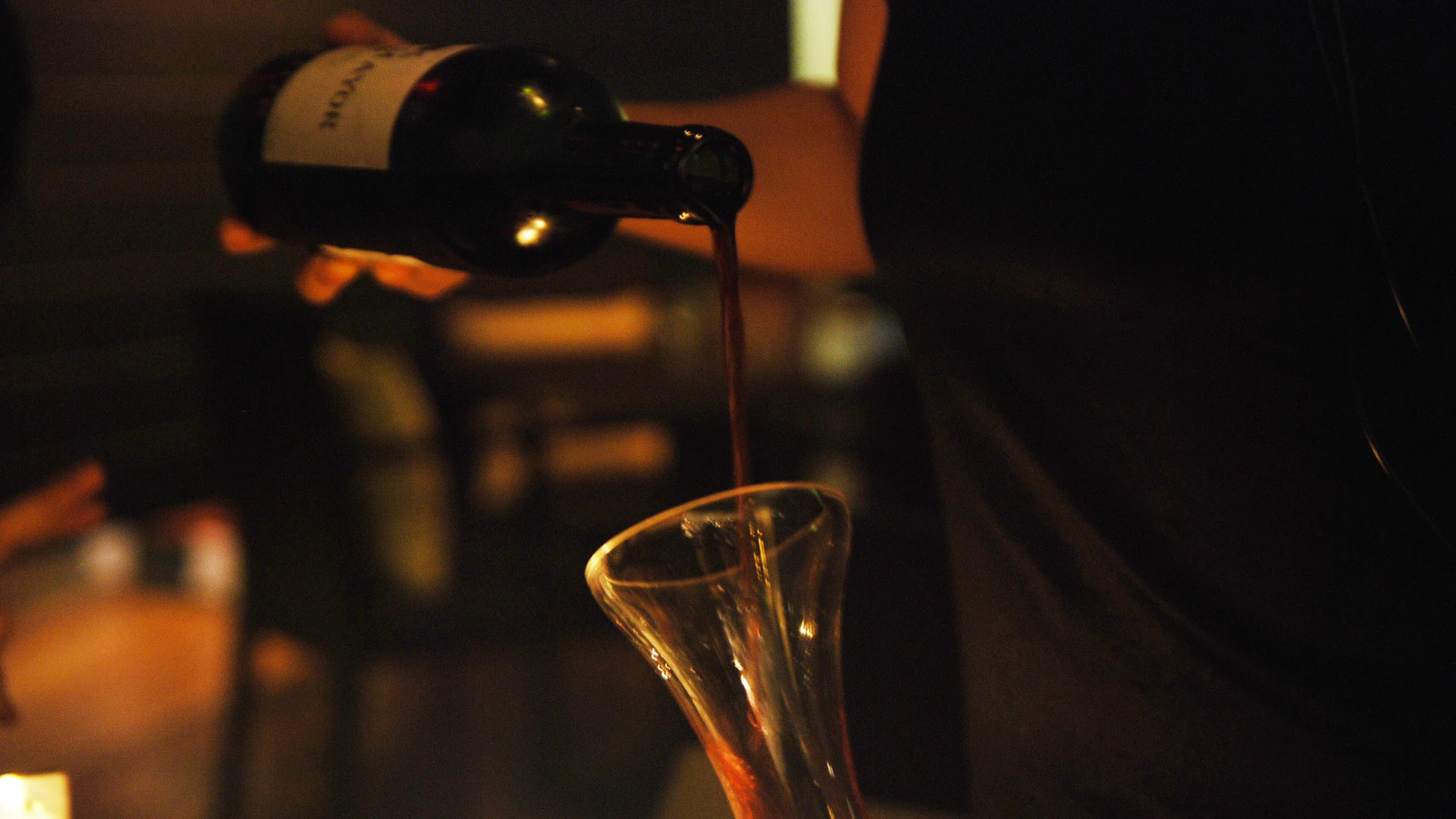
Serving well
“What temperature? Which glass?”
The temperature, the glass and the move that changes everything — for each style of wine. No thermometer needed: we tell you how long in the fridge.
Read the guide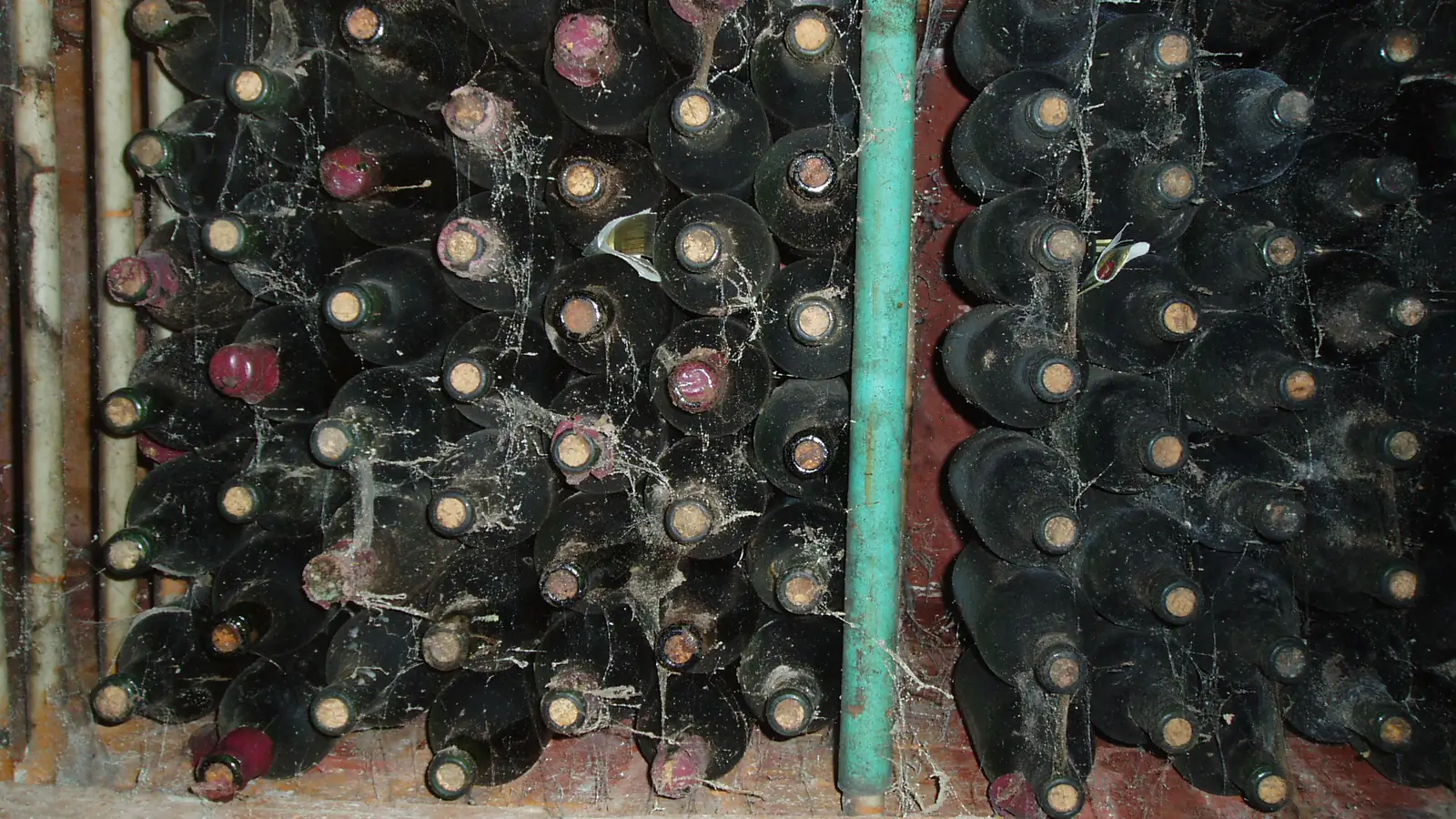
Keeping well
“Does it keep? And once opened?”
How long to keep an unopened bottle, where to store it, and what to do when half is left. With or without a wine cellar.
Read the guide
Organic, natural & labels
“Organic, natural, Demeter: what's the difference?”
What each certification really guarantees, who audits what — and why "natural wine" is not a label.
Read the guide
What is in each guide?
Serving: the right temperature for each style, the glass that suits it, when to decant and in what order to serve several bottles. Plus how to chill a bottle that is too warm, fast.
Storing: where to keep bottles with or without a cellar, how long a wine keeps unopened, and what to do with an opened bottle.
Organic, natural and labels: what Organic, the Bio Suisse Bud, Demeter and vegan guarantee, who checks what, and why “natural wine” is not a label in Switzerland.
Helvitic's six wine styles
On Helvitic, every wine belongs to one of six styles, the same on wine pages and in the guides: Crisp & light, Round & fruity, Supple & fruity, Powerful & structured, Fresh & festive, and Sweet & indulgent. They describe what you will taste, not the grape or the winemaking.
A Fendant or Chasselas is Crisp & light; a Cornalin or Humagne Rouge, Powerful & structured; an Œil-de-Perdrix, Fresh & festive.
Three rules worth remembering
Serve a little cooler than you think. Swiss Wine Valais, the Valais wine body, finds that most wines are served too warm: a room at 20 or 21 °C is too warm for a red, which is better served at 16 to 18 °C when full-bodied.
Do not fill the glass: two or three fingers is enough, to leave room for the aromas, according to the same source.
Re-cork an opened bottle straight away and put it in the fridge, even a red: cold slows down oxidation.
And these wines on Helvitic?
Sales are not open on Helvitic yet: payment is still being tested. You can already browse the grape and region pages, discover the wineries and follow them to hear about new wines.
Key points
- Serving: temperature, glass, decanting and order of wines.
- Storing: where to keep bottles, how long, and the opened bottle.
- Labels: Organic, Bud, Demeter, vegan, and what natural wine is and is not.
- Six wine styles, the same on every Helvitic wine page.
- Every figure is sourced.
Frequently asked questions
What temperature should red wine be served at?
15 to 16 °C for a light red, 16 to 18 °C for a full-bodied one, according to Swiss Wine Valais. Room temperature, around 20 °C, is too warm.
How long does an opened bottle keep?
Three to five days for a white or rosé, three to six days for a red, one to three days for a sparkling wine, re-corked and in the fridge, according to Swiss Wine Valais.
Is natural wine organic?
Not necessarily. “Natural wine” has no official definition in Switzerland; most producers farm organically, but only a label such as Organic, the Bud or Demeter guarantees it.
Sources
- Swiss Wine Valais, serving temperature, checked on 22 October 2026
- Swiss Wine Valais, wine glasses, checked on 22 October 2026
- Swiss Wine Valais, what to do with an opened bottle of wine?, checked on 22 October 2026
- Swiss Wine Valais, natural wine, checked on 22 October 2026
- FiBL, technical guide no. 1509 “Exigences en matière de vitiviniculture biologique”, 2026, checked on 22 October 2026